
Hearing Tips

What's New at McLean Hearing Center

A plastic anatomical model of a human ear sits on a desk, with a person in a white coat and stethoscope blurred in the background, possibly a doctor taking notes.

Anatomy and Perception: Examining the Direct Impact of Ear Shape on Hearing

It is a well-documented biological fact that dogs with long, floppy ears do not capture directional sound waves as efficiently as pointed-ear breeds. Most people find it natural that domestic cats, dogs, and hamsters possess specialized muscular control to shift their ear orientation, boosting signal tracking from all directions. However, these domesticated animals are far


A woman wrapped in a blue blanket sits on a couch, holding a tissue to her nose as if sneezing or blowing her nose, appearing unwell.

How to Clear Blocked Ears and Fluid Buildup After a Cold

With the average adult experiencing two to three colds every year, this viral infection remains one of our most frequent health complaints. Notwithstanding how common they are, these viral episodes still inflict significant misery through systemic symptoms like low-grade fevers, raw sore throats, rhinorrhea, constant sneezing, and dry coughing. But among all these classic complaints,

Close-up of two hands gripping a black steering wheel inside a car, with a blurred view of greenery visible through the window in the background.

How Loud Is Too Loud? Car Noise and Hearing Loss Risk

You are deeply attached to your personal vehicle. While you would never surrender the absolute sense of freedom experienced behind the wheel, it is vital to consider whether your car is actively degrading your hearing mechanisms. Let’s look closely at how modern transit modes provoke vehicle-related hearing loss, while introducing straightforward habits to reverse this

A person in a gray shirt touches their throat with both hands, showing discomfort. The neck area is highlighted in red, indicating pain or a sore throat.

Understanding Laryngitis: Clinical Triggers, Symptoms, and Recovery Pathways

The popular expression “voice box” gives a completely wrong impression. When you were young, you might have visualized a miniature plastic or metal box in your throat managing your speech. Fortunately, your true internal anatomy is far more elegant and lacks any boxy dimensions. When people mention the “voice box,” they’re generally referring to an

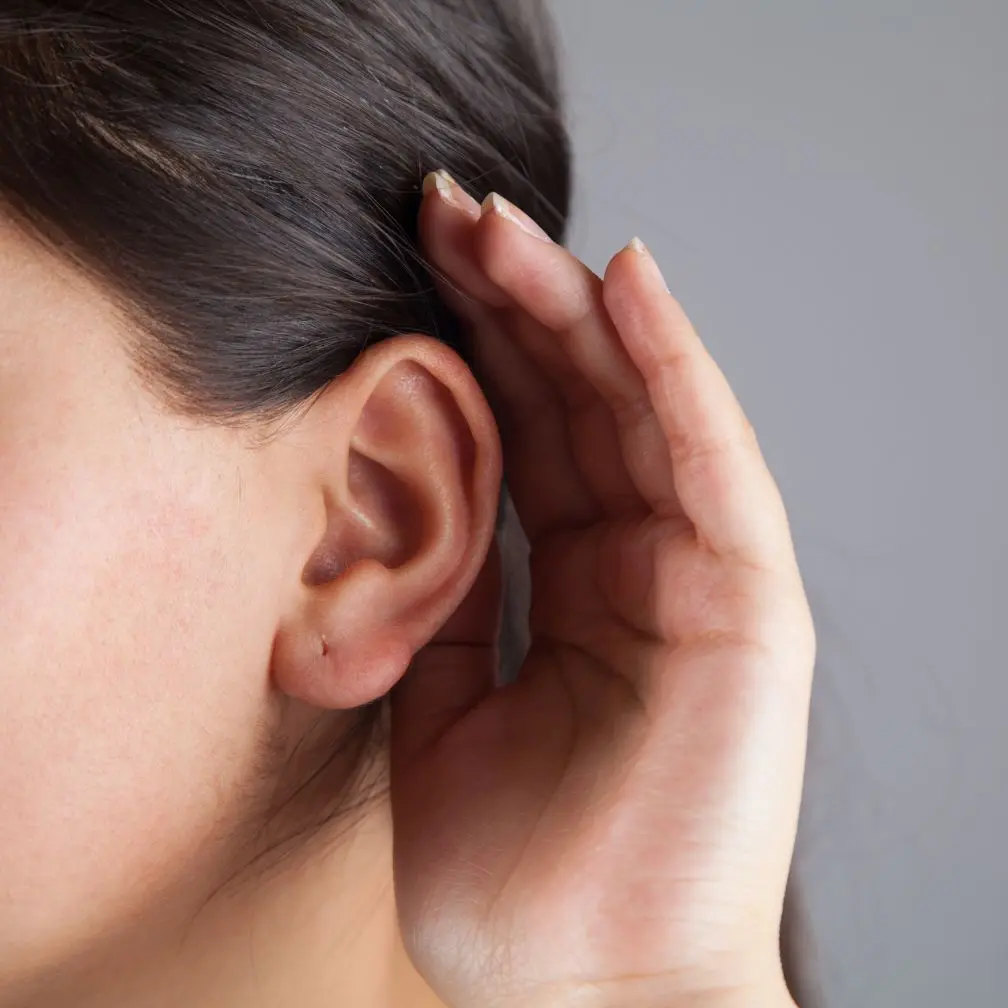
A person holds their hand behind their ear, as if trying to hear better. Only the ear, hand, and part of the face are visible, with a neutral gray background.

Unexplained Static or Whooshing? What That Internal Noise Is Trying to Tell You

Have you noticed an unusual auditory sensation that mimics baseline white noise or a steady breeze in your ears? What explains the fact that you are the sole individual capable of detecting this frequency? You are not inventing these symptoms; the sensation is entirely real. Fortunately, your symptoms do not point to “phantom ring syndrome,”