
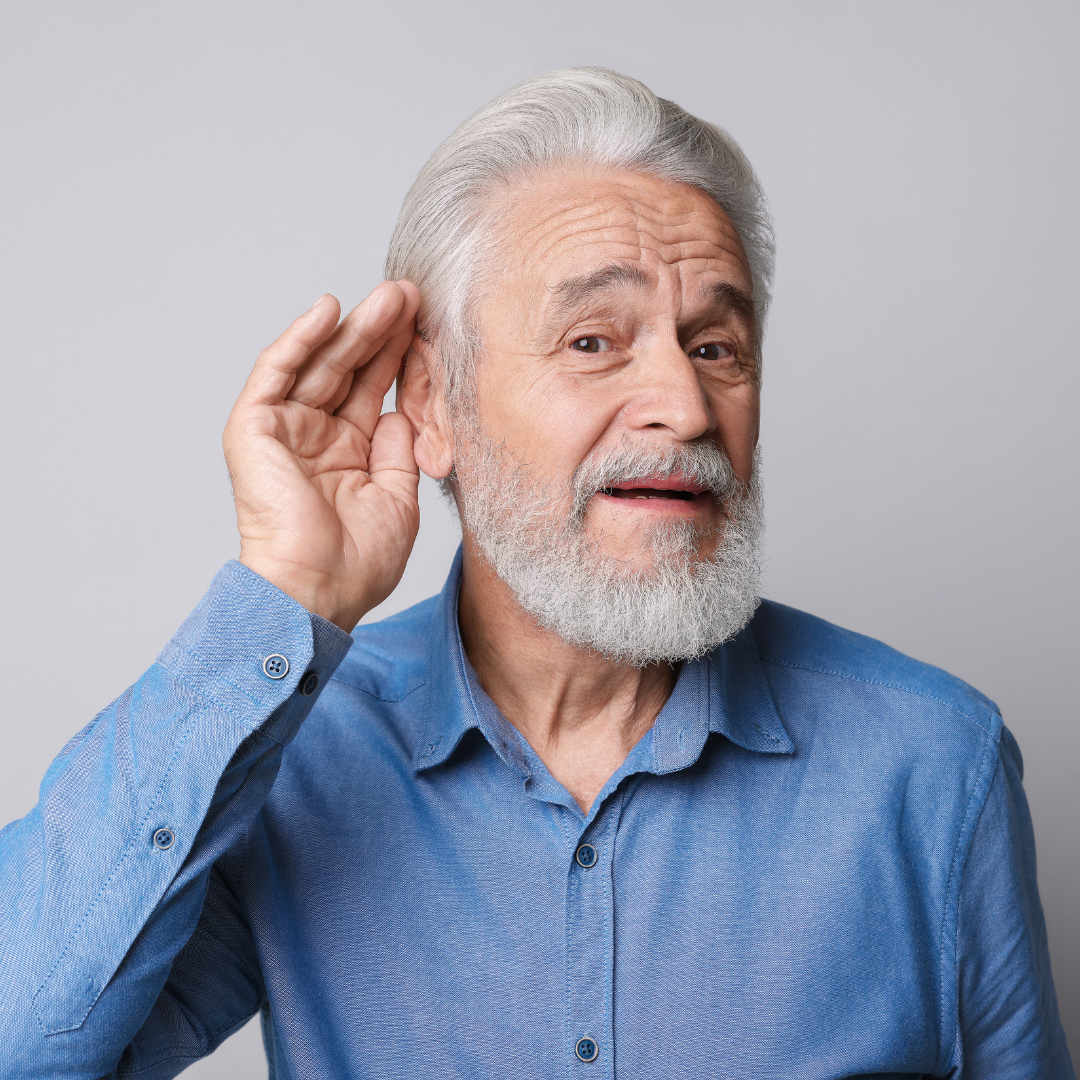
An abrupt decrease in unilateral hearing acuity can feel alarming, often leaving individuals uncertain about what action to take. Our audiology clinic offers prompt diagnostic hearing testing and coordinates emergency medical evaluations whenever sudden hearing changes develop. An acute sudden hearing loss demands prompt evaluation by an audiologist or ENT physician to initiate time-sensitive medical care or auditory rehabilitation.
Is Sudden Loss of Hearing in One Ear An Emergency?
Yes, unequivocally. Sudden hearing loss in a single ear demands immediate emergency medical care, particularly when symptoms progress within a few hours or days. Often designated as sudden deafness, sudden sensorineural hearing loss reflects damage to the inner ear cochlea or the acoustic nerve. Because it rarely causes localized otalgia, individuals frequently misinterpret the sudden loss as middle-ear congestion or a cerumen plug.
Common clinical manifestations include:
- A rapid unilateral loss of sound volume and word distinction
- Noticing that phone conversations sound faint, muffled, or absent on one side
- Sensation of an internal ear pop or mounting aural pressure right before hearing diminishes
- New ringing, buzzing, or roaring in the affected ear
- Concomitant dizziness, spatial disorientation, or true spinning sensations
You should never delay care in hopes that auditory function will resolve spontaneously. Connect with our clinical team, a local urgent care center, or an ENT specialist for urgent, same-day assessment.
Why Should You See a Doctor Immediately for Sudden Hearing Loss in One Ear?
Early clinical intervention is crucial because treatment protocols for sudden sensorineural hearing loss are far more successful when commenced right away. We first differentiate whether the condition represents a conductive loss from cerumen or fluid, or a true sensorineural loss involving the inner ear or vestibulocochlear nerve. These conditions can feel similar but require different care.
An ear examination and a diagnostic hearing test can identify the type, pattern, and severity of the loss.
Contact emergency medical services immediately if sudden auditory decline presents alongside:
- Acute facial asymmetry, motor weakness, or cranial nerve numbness
- Speech slurring, expressive language difficulty, mental confusion, or an acute severe headache
- Acute visual disturbances, fainting spells, or marked ambulatory unsteadiness
- Acute angina (chest pain) or any secondary indicators of systemic vascular crisis
Such clinical findings often indicate an urgent vascular or central neurological emergency that cannot wait for an outpatient appointment.
Pathophysiological Causes of Sudden Sensorineural Hearing Loss
In a large majority of sudden sensorineural hearing loss cases, diagnostic testing reveals no identifiable definitive etiology. When a cause can be identified, it may involve inflammation, injury, circulation, the immune system, or another condition affecting the inner ear or auditory nerve.
Common clinical factors include:
- Viral or bacterial infections
- Mechanical head injury or sudden exposure to high-intensity blast noise
- Diagnosed autoimmune disorders affecting the inner ear sensory systems
- Ingestion of ototoxic pharmaceuticals known to compromise inner ear structures
- Microvascular insufficiency, cochlear ischemia, or impaired vascular flow
- Chronic vestibular conditions including active Ménière’s disease
- Demyelinating central nervous system diseases including multiple sclerosis
- A benign tumor, such as a vestibular schwannoma, compressing the vestibulocochlear nerve
Because one cannot differentiate these complex etiologies based on symptoms alone, prompt diagnostic assessment and audiologic testing are critical.
Evidence-Based Therapies for Sudden Sensorineural Hearing Loss
Corticosteroids are widely prescribed as the cornerstone medical treatment for idiopathic sudden sensorineural hearing loss. Providers may prescribe oral systemic steroids or deliver local intratympanic injections through the eardrum, targeting the inner ear directly. Our clinical team outlines therapeutic options tailored to your specific case, factoring in symptom latency, severity of the loss, comorbid medical conditions, and medication tolerances.
Initiating steroid therapy within the first 14 days of symptom emergence is critical, emphasizing the importance of starting as early as possible. Intratympanic steroid injections may also be recommended as salvage treatment when recovery is incomplete. Under appropriate circumstances, an ENT specialist might suggest adjunct hyperbaric oxygen therapy paired with clinical steroid treatments.
Can Sudden Unilateral Hearing Loss Resolve Spontaneously?
Patients with sudden sensorineural hearing loss can sometimes experience spontaneous recovery without clinical intervention. Epidemiological data suggests that approximately 50 percent of diagnosed patients recover partial or complete auditory sensitivity spontaneously, typically within the first fourteen days. Yet, no reliable clinical markers exist at presentation to identify who will recover, how much hearing will be restored, or if recovery will remain stable.
The possibility that hearing might return spontaneously is never an acceptable reason to delay emergency treatment. Treatment becomes less likely to reverse permanent loss when it starts weeks after the change, so waiting may close an important treatment window. Hearing recovery spans a spectrum ranging from complete resolution to partial restoration or minimal gains.
What Happens If Sudden Sensorineural Hearing Loss Fails to Improve?
If hearing does not fully recover, the next step depends on how much hearing remains, how well the affected ear understands speech, and whether an underlying cause has been ruled out. Our team may order a dedicated internal auditory canal magnetic resonance imaging (MRI) scan or an auditory brainstem response (ABR) evaluation to assess the vestibulocochlear nerve and cerebellopontine angle.
Long-term audiological rehabilitation options include:
- A traditional digital hearing aid provided the ear demonstrates functional, aidable residual hearing
- Implementing a CROS system that wirelessly beams sound from the unaidable ear to the better ear
- An osseointegrated bone-conduction hearing system or bone-anchored hearing device for qualifying candidates
- Clinical cochlear implantation for candidates meeting criteria for profound unilateral deafness
- Specialized assistive listening devices (ALDs) to support communication during professional, educational, or social demands
Individualized audiologic rehabilitation actively addresses listening fatigue, compromised directional localization, and conversational strain. Choosing the best rehabilitative device hinges upon clinical hearing test scores, communication environments, medical background, and individual preferences.
Schedule an Urgent Hearing Assessment
Should your hearing acuity decline abruptly today or over recent days, pursue immediate same-day clinical guidance rather than booking a routine appointment. We can perform diagnostic hearing testing, compare both ears, review when the change began, and coordinate with an ear, nose, and throat physician or another medical provider when necessary.
Contact us to request a prompt hearing appointment.